Shopper's Guide•Focus & Energy
6 things that changed from my first sip of Superfocus to week 12
Summary: Focus products get judged on the first hour. Fair enough, that's where the research is. But I kept notes for twelve weeks, and here's what happened at each point, with the studies where they exist and my own experience clearly labeled where they don't.
Here's all 6 👇
1. 30 minutes in: sharper under load, not just more awake
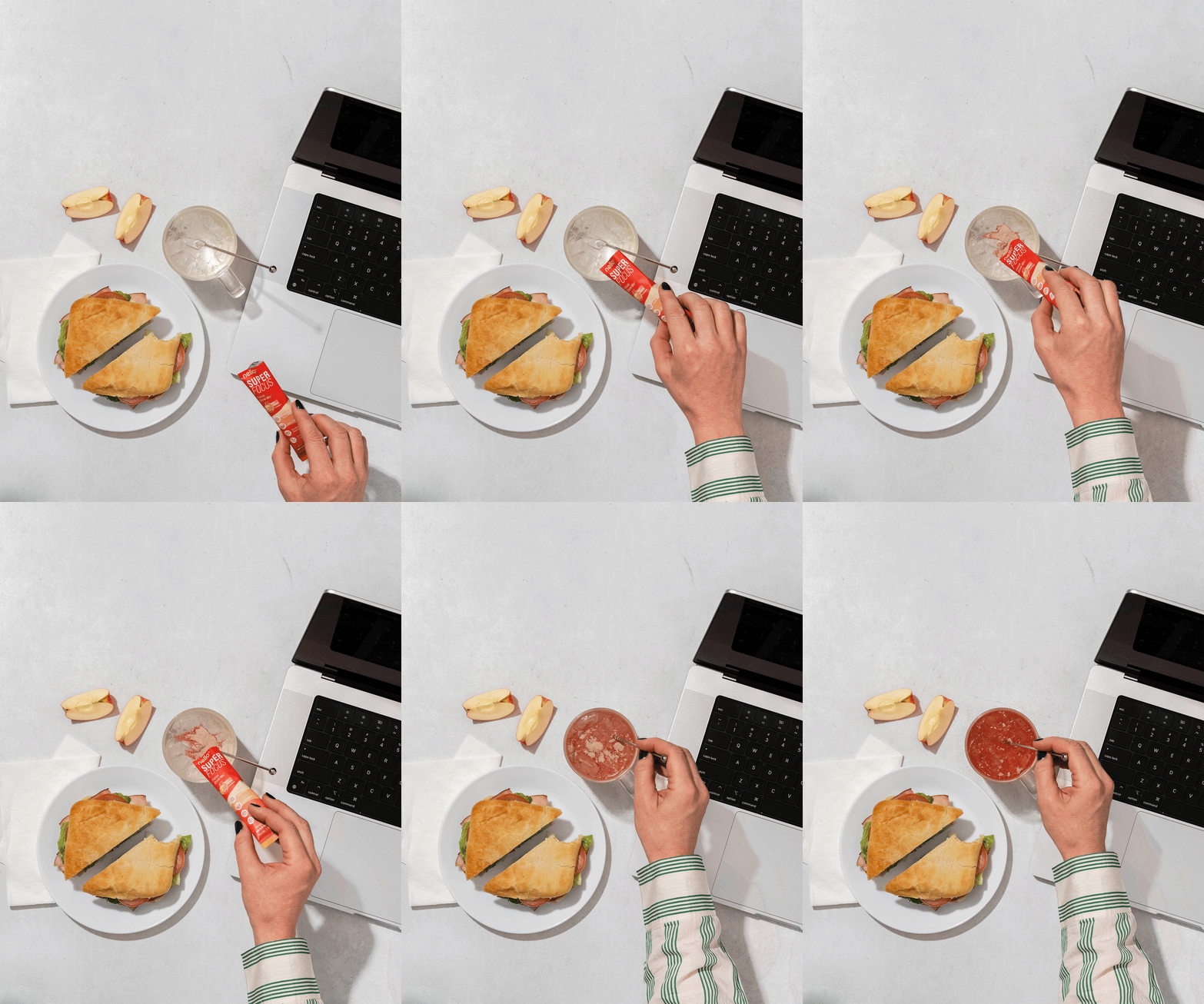
Caffeine makes you feel alert. That's not the same as being better at the hard thing in front of you. The ingredient in Superfocus that's actually been tested on that is Alpha-GPC: in a placebo-controlled study, a single 315mg dose roughly doubled the improvement on a Stroop test, the classic measure of staying accurate when your brain wants to take the shortcut. Superfocus has 350mg of GeniusPure Alpha-GPC per packet, which is 315mg of the active compound. Same number as the study, on purpose.
2. Day 1, 3pm: no crash, because the caffeine is half a coffee
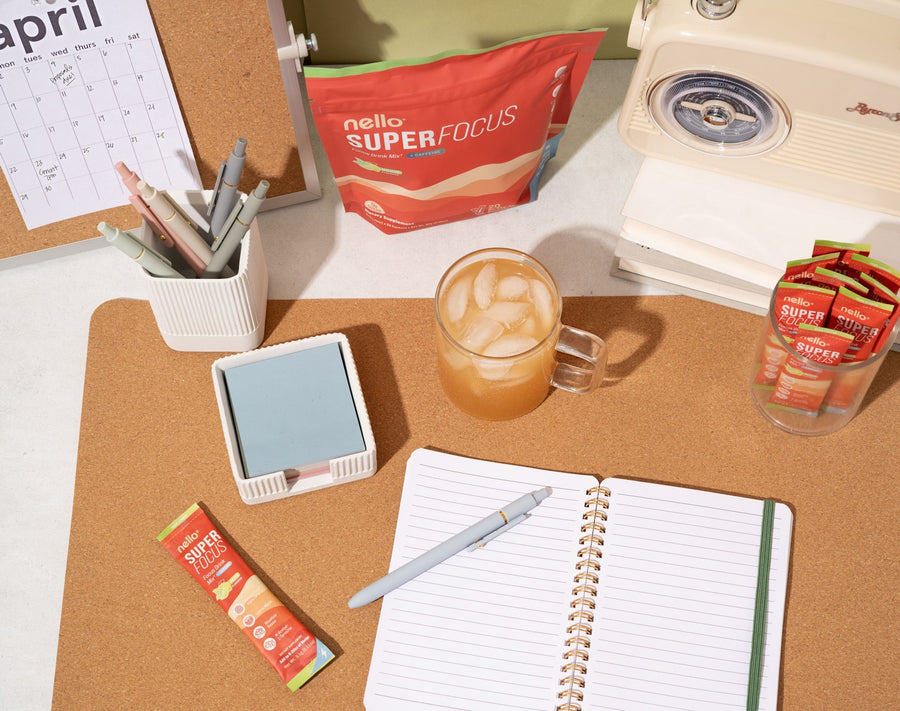
Here's what I was braced for and didn't get: the 3pm drop. Superfocus has 75mg of caffeine, about half a cup of coffee, paired with 150mg of L-theanine. Theanine is the reason a cup of green tea feels different from a cup of coffee. In EEG research it increases alpha brainwave activity, the relaxed-but-alert state, within about 45 minutes. The two together mean the lift is smaller than a large coffee and the landing is a lot softer. There's also a caffeine-free version if you want none at all.

3. Day 7: more choline where you want it
One week in is the second timepoint the Alpha-GPC research covers. Alpha-GPC is a source of choline, the raw material for acetylcholine, the neurotransmitter your brain uses for attention and your muscles use to fire. In a seven-day study, 250–500mg a day raised circulating free choline and improved lower-body power output in a jump test. What I noticed personally by day seven was less about jumping and more that the first hour of work stopped needing a warm-up.
4. Week 2: the 2pm coffee became optional
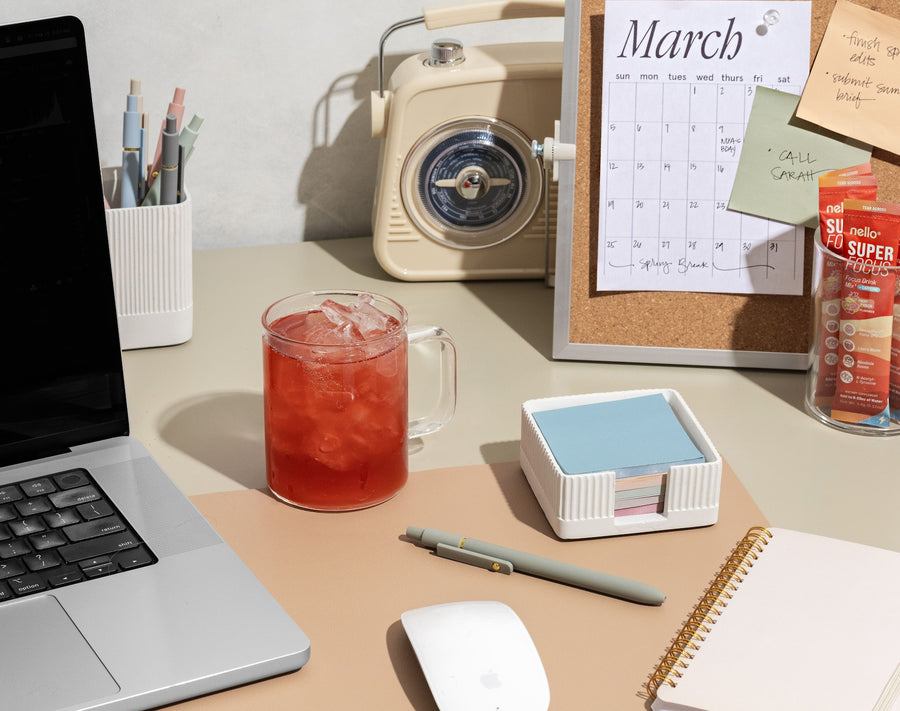
This is the part that's my experience, not a study. By the second week I noticed I'd stopped making the afternoon coffee, not because I'd decided to quit it, but because I wasn't reaching for it. The packet has 1,000mg of N-Acetyl-L-Tyrosine, an amino acid your body uses to make dopamine and norepinephrine, the chemistry behind motivation and drive. I can't tell you that's why. I can tell you the afternoon stopped being a thing I had to manage.
5. Week 4: one packet quietly replaced the shelf
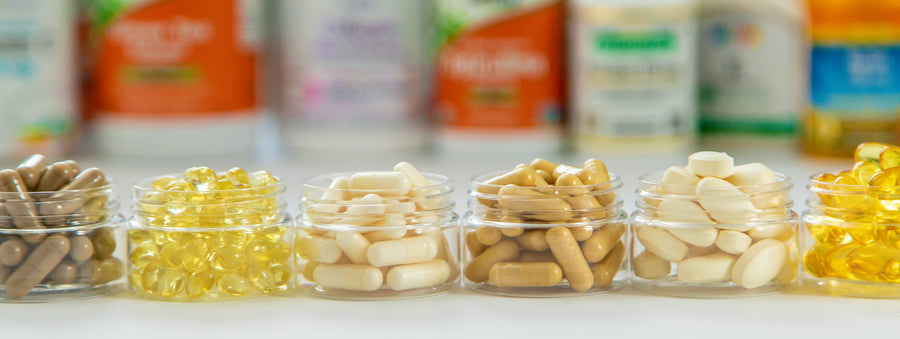
By week four I realized I hadn't opened the lion's mane capsules, the rhodiola, or the L-theanine bottle in a month. Superfocus has all of them: 500mg of lion's mane fruiting body extract, 200mg of rhodiola rosea root, the theanine, the Alpha-GPC, the tyrosine. Not because stacking six things is clever, but because I was already buying five of them separately and taking them at random times. One packet in water, same time every morning, turned out to be the version I actually stuck with.
6. Week 12: same dose, same mornings, every amount still printed
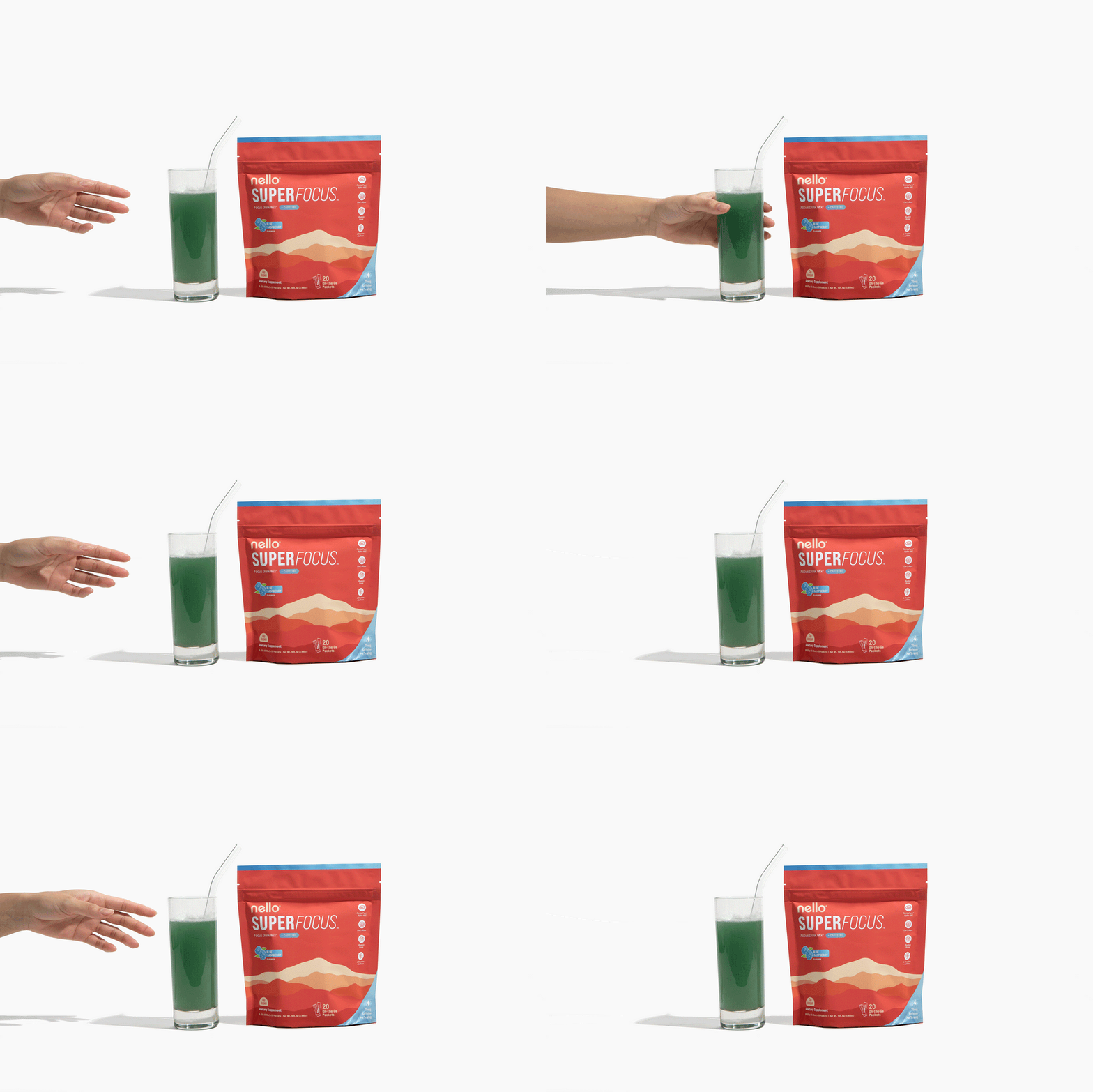
Three bags in and I'm taking exactly what I took on day one: N-Acetyl-L-Tyrosine 1,000mg, lion's mane 500mg, GeniusPure Alpha-GPC 350mg, rhodiola 200mg, L-theanine 150mg, caffeine 75mg. Zero sugar, sweetened with monk fruit. I want to be straight about the science here: the clinical research on Alpha-GPC covers the single dose and the first week. Past that, what I have is twelve weeks of mornings that look like day one, at the same dose, with no shelf of bottles behind them.